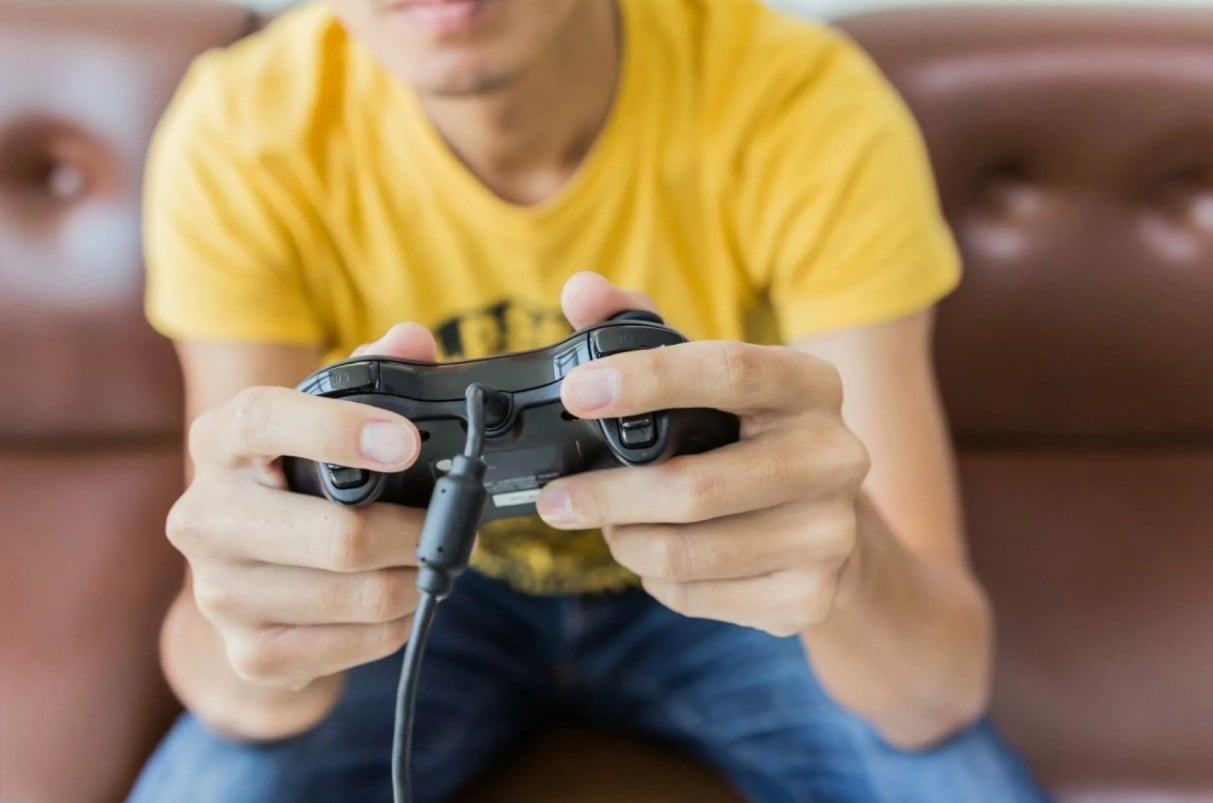
Precision vs. Intuition: The Great Input Debate
The eternal clash between controller versus touchscreen is far more nuanced than a simple question of which is "better." It is a fundamental debate about design philosophy, pitting engineered precision and control against organic, intuitive interaction. On one side, the physical controller is an ergonomic masterpiece, offering tangible buttons, triggers, and sticks that provide muscle memory and granular input. This hardware directly translates to superior response of movements and realism in fast-paced genres, where a slight tilt of an analog stick or a measured mouse flick dictates exact in-game action. The feedback from control here is both tactile and auditory, confirming every command without needing visual confirmation from the screen.
Conversely, character control: mouse and touch on a mobile device embodies immediacy and accessibility. The screen is both the input and output device, creating a direct mental connection—you touch the character or the world itself. This can foster a unique sense of intimacy and intuition, especially in puzzle or narrative-driven games. However, this method grapples with the inherent limitations of touch controls: the lack of physical landmarks leads to "fat finger" errors, and the occlusion of the screen by the player's own hands can break visual immersion at critical moments.
The core of the debate often centers on control as part of gameplay for specific genres. A real-time strategy game or a competitive first-person shooter on PC thrives on the pixel-perfect precision and control of a mouse, where speed and accuracy are non-negotiable. This level of maneuverability and immersion in a tactical environment is difficult, though not impossible, to replicate on a touchscreen without significant interface compromises and assistive mechanics.
On consoles and PC with controllers, the analog stick offers a different kind of finesse—the ability to modulate speed, pressure, and direction with varying degrees of intensity. This analog input is crucial for games emphasizing driving, stealth, or platforming, where the response of movements and realism depends on more than binary on/off states. The nuanced pressure on a trigger for acceleration or the gentle push of a stick for tiptoeing are experiences that pure touch interfaces struggle to emulate authentically.
However, the mobile platform fights back with context-aware design. Developers creatively circumvent the limitations of touch controls by employing virtual sticks with dynamic positioning, gesture-based commands (like swipes for dodges or pinches for zoom), and intelligent UI that adapts to gameplay context. The goal is to preserve a sense of player freedom of action by making the controls feel predictive and fluid rather than restrictive, trading absolute precision for a smooth, intuitive flow.
Ultimately, the "great debate" is less about declaring a winner and more about understanding the synergy between input method and game design. The most immersive experiences are born when developers fully embrace the strengths of their chosen platform—whether that's the haptic confidence of a controller, the pixel-hunting mastery of a mouse, or the intimate touch of a screen—and tailor the control as part of gameplay to transform those physical inputs into seamless, empowering virtual action. True maneuverability and immersion are achieved when the player stops thinking about the input device and feels directly connected to the world.