The Mobile Paradigm: Designing for Touch Without Sacrificing Depth
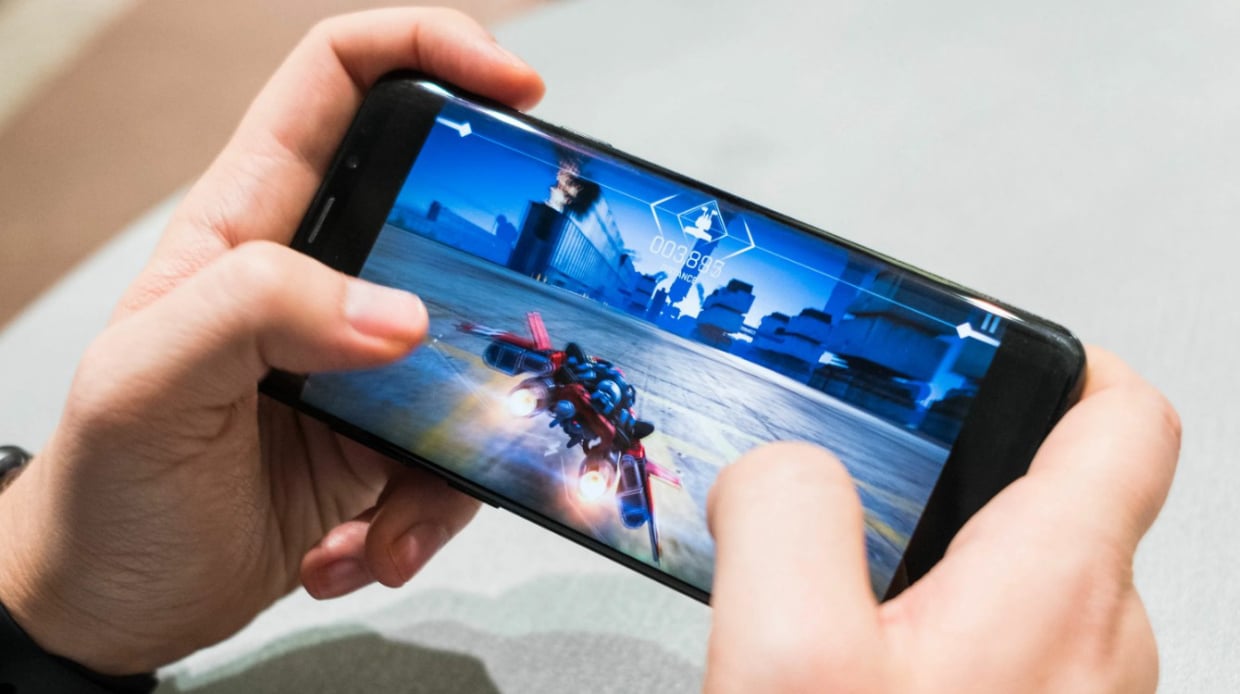
Designing for mobile presents a unique paradox: how to deliver deep, console-quality experiences on a device defined by the limitations of touch controls. The challenge is to recreate the precision and control and rich player freedom of action associated with traditional platforms on a flat, multi-purpose glass surface. The solution lies not in direct imitation, but in reimagining interaction paradigms to play to the strengths of character control: mouse and touch—its immediacy, directness, and gestural potential.
The first hurdle is input ambiguity. Without physical buttons, virtual controls must be intelligently designed to prevent frustration. Advanced virtual joysticks now often feature dynamic positioning (appearing where the finger first touches) and adaptive dead zones. More innovative is the shift towards gesture-based and context-sensitive systems. Instead of a permanent attack button, a swipe near an enemy performs a slash, and a tap-and-hold charges a power. This turns the entire screen into a context-aware control pad, where the feedback from control is the fluid, direct response of the character to the player's intuitive gestures.
This approach fundamentally redefines control as part of gameplay. Complex actions are broken down into simpler, sequential touch interactions. A combo might be executed not by memorizing button sequences, but by timing successive taps and directional swipes. Puzzle mechanics can leverage multi-touch—using two fingers to rotate an object, or pinching to zoom and examine details closely. This can actually increase the degree of interaction with the environment, making manipulation feel more direct and physically connected than pressing a button would.
To preserve maneuverability and immersion, smart automation and assistive mechanics are essential. They are not "dumbing down," but rather translating intent into fluid action. A character might auto-vault over low obstacles when running towards them, or subtly magnetize to cover during a firefight. The goal is to handle the micro-corrections that a physical stick would provide, allowing the player to focus on macro-strategy and enjoyment. The response of movements and realism thus comes from the character's intelligent reaction to the player's broad commands, not from minute, finicky input adjustments.
However, the most successful mobile games are those built from the ground up for the platform, not ported. They embrace shorter session lengths, portrait orientation, and one-handed play. They design UIs that are large, legible, and minimally invasive. They understand that controller versus touchscreen is not a battle to be won, but a different language to be spoken. Depth is achieved through strategic complexity, compelling narrative loops, and innovative touch mechanics, not through replicating a 12-button controller layout.
Ultimately, the mobile paradigm proves that depth is not synonymous with complexity of inputs. By embracing the unique language of touch—its gestures, its direct connection to the game world, and its accessibility—developers can craft profoundly immersive experiences. They can offer a different kind of maneuverability and immersion, one that is intimate, intuitive, and always at your fingertips, proving that a rich, engaging journey doesn't require a bag full of hardware, just a thoughtful design that speaks the native language of the screen.