The Feel of the Fight: Combat Systems Across Inputs
Combat is the ultimate test of a game's interactive feel, where split-second decisions and execution are paramount. The feedback from control here is visceral and immediate, and the chosen input method dramatically shapes the rhythm, strategy, and satisfaction of every encounter. The dance of battle feels fundamentally different when comparing the precision and control of a mouse and keyboard to the analog flow of a controller, or the gestural language of character control: mouse and touch on mobile.
On PC, the mouse reigns supreme for ranged and tactical combat. The ability to aim with pixel-perfect accuracy and flick to new targets with lightning speed provides unparalleled maneuverability and immersion in competitive arenas. This precision and control extends to ability targeting, allowing for intricate spell placements and strategic area-of-effect attacks. The keyboard complements this with a vast array of hotkeys, granting instant access to dozens of abilities and items, which maximizes player freedom of action in complex MMOs or strategy-heavy RPGs. Every action is a deliberate, high-speed click.
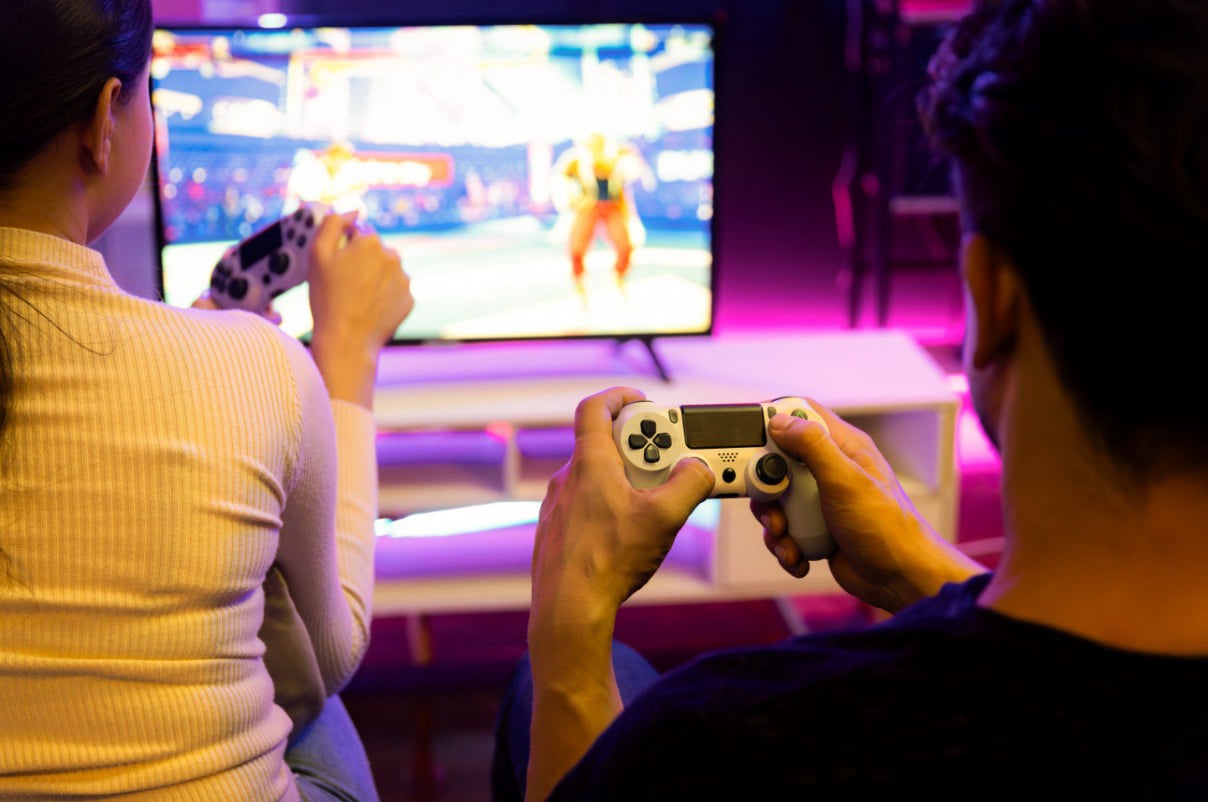
The console controller, however, crafts a more physical and weighted combat experience. Control as part of gameplay here is about analog pressure and rhythmic timing. The triggers simulate the tension of drawing a bow or the kick of a gun, while face buttons are choreographed into combos that flow from one animation to the next. The response of movements and realism is often tied to animation commitment and controller vibration—a heavy attack feels "heavy" because it locks you into a longer animation and sends a strong rumble through your hands. This creates a deliberate, almost theatrical pace to duels.
Mobile combat confronts the limitations of touch controls head-on. Direct imitation of console button layouts often fails due to the lack of tactile feedback and screen occlusion. The successful approach is, again, gestural and systemic. Combat becomes about swipes to dodge, taps to attack the nearest enemy, and hold gestures to block or charge. Some games turn the entire screen into a canvas for drawing attack patterns or spell symbols. The feedback from control must be overwhelmingly visual—with dramatic hit effects, screen shakes, and clear audio cues—to compensate for the lack of physical buttons.
This input divide also changes the degree of interaction with the environment during combat. A mouse allows for seamless interaction with dynamic battlefields—clicking to take cover behind a specific wall fragment or shooting a distant environmental hazard. A controller might use a context-sensitive "take cover" button that sticks to surfaces. Mobile games often automate environmental interaction during combat to reduce UI clutter, focusing the player's touch input purely on offensive and defensive gestures against foes.
Yet, across all platforms, the core tenet remains: combat must feel responsive and empowering. Whether it's the snappy accuracy of a mouse flick, the satisfying thump of a controller trigger confirming a parry, or the sweeping gesture that unleashes a magical blast on a tablet, the input must disappear. The player should feel the impact in their gut, not in their fingers. The ultimate goal is to make the weapon an extension of will, where the controller versus touchscreen debate fades away, and all that remains is the exhilarating maneuverability and immersion of the fight itself, perfectly translated through the language of the chosen controls.